
Before the Site Wakes
Discipline starts before the first briefing, call, or concrete pour.

Structural Engineer · General Manager · East Africa
I was 9 years old, standing in the rain while my dad built our family home. I watched the foundation walls hold the water — portion by portion, the ground absorbing it, the structure containing it. I didn't have the words for it then. But I couldn't look away.
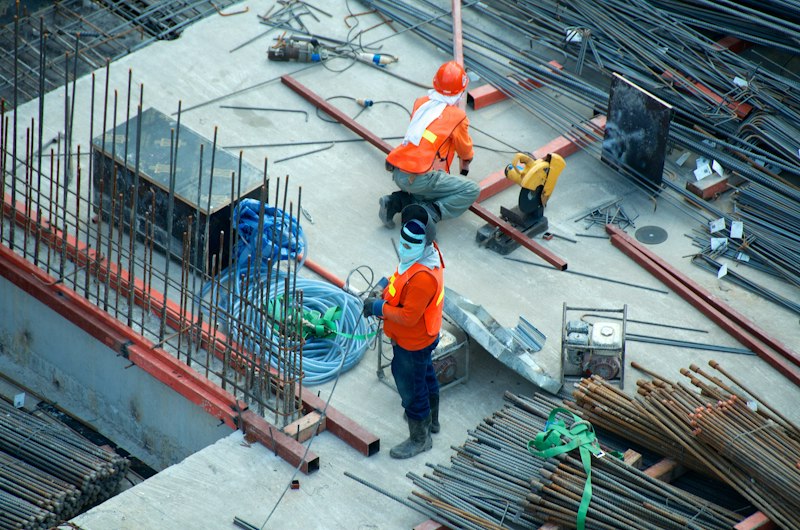
That early fascination became a degree in Structural Engineering, a career on construction sites across East Africa, and eventually a leadership role where I coordinate not just steel and concrete — but everything and everyone between concept and completion.
“Engineering is 30% calculations, 70% people. I learned that in year three — and I've never forgotten it.”
I've been fortunate. The foreman I work with is exactly who you want on a site — professional, precise, someone who cares about the work more than about who's giving the direction. Together, we've built 6 blocks of 300 housing units. That partnership is what construction should look like. But I'm not naive about the industry. I've heard from women who walked onto sites and were addressed as secretaries. Women whose specifications were quietly revised by foremen who couldn't accept that a woman had written them. Women who had to stand in the rain and prove something no man on that site was ever asked to prove. I was spared that. Not every woman is.
What I wasn't spared is this: I've stood in a room and proposed a technical solution — the right one — only to watch it gain traction an hour later when a male colleague said the same thing. I've had to follow up my own recommendations in writing, calculations attached, just to be taken as seriously as a verbal opinion from someone else. I've walked onto sites and been asked twice whether I'm the engineer. Not once, from confusion. Twice, from disbelief. I don't lead with this because it defines me. I lead with it because pretending it doesn't happen leaves the next woman unprepared.
“Engineering is 30% calculations, 70% people.”
Learned on-site, year three as a site engineer
“I don't tell girls engineering is hard. I tell them it's challenging — hear the difference?”
On inspiring young women
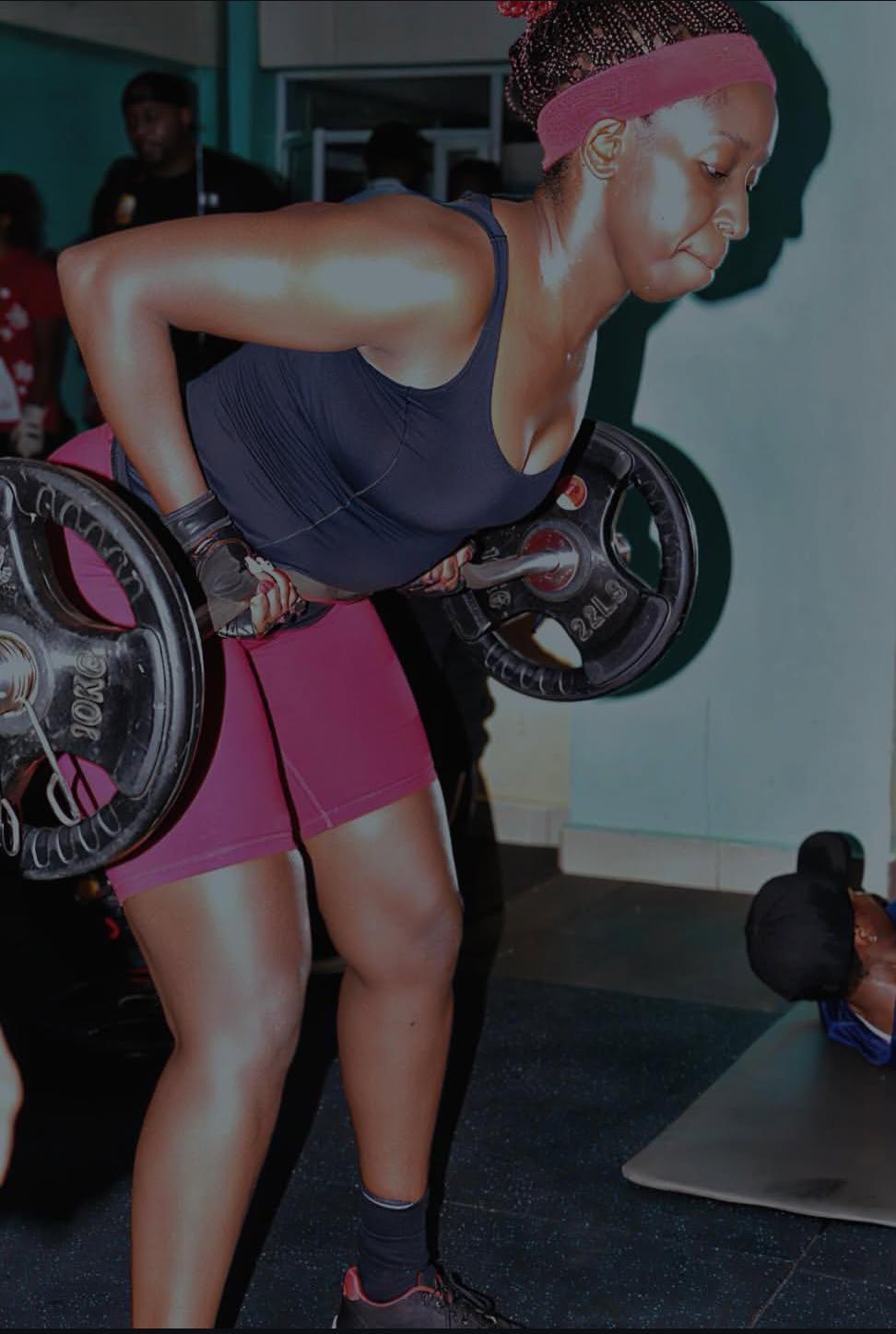
“The gym is where I practice not quitting. Everything else follows.”
On 5:30 AM discipline
Major projects across Kenya & Tanzania
Delivered in client savings through innovation
Structural failures across all projects under oversight
Workers trained in EPS installation
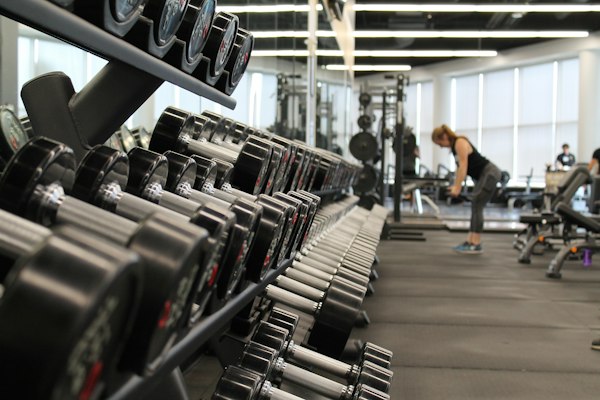
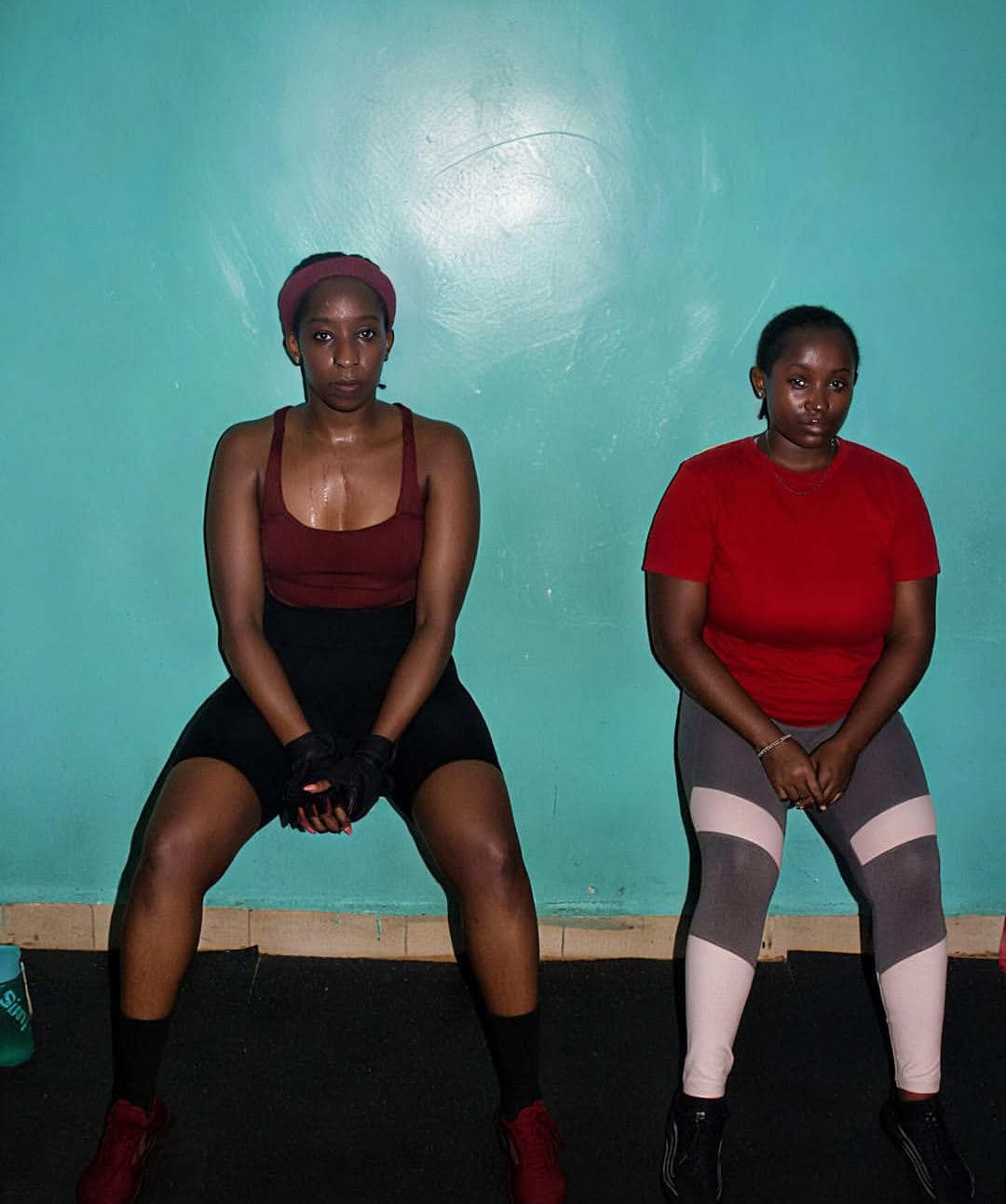
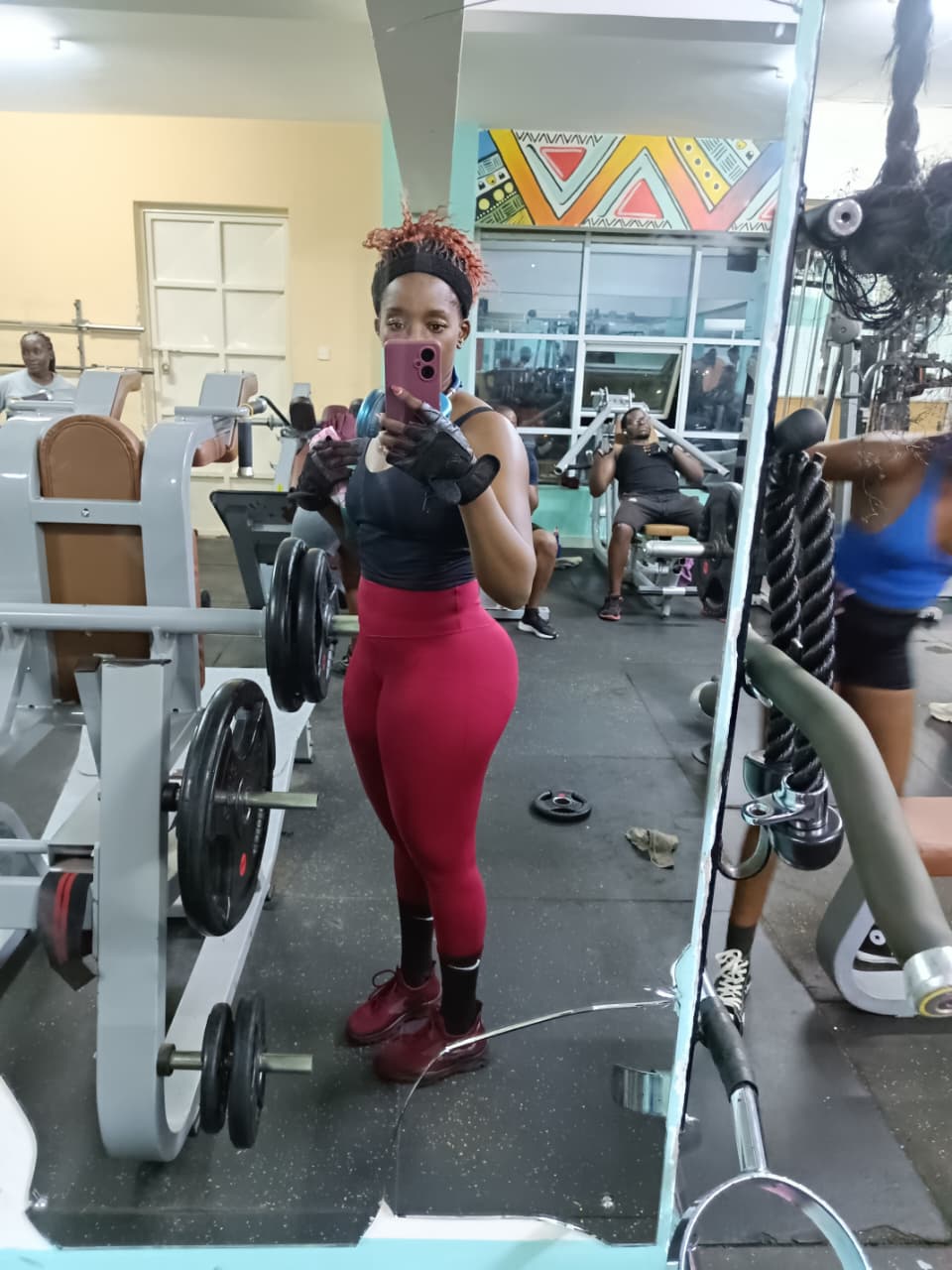
Monday through Friday. 5:30 AM. Rain, deadlines, or difficult days — the gym waits.

Discipline starts before the first briefing, call, or concrete pour.
The body adapts to measured pressure the same way engineered systems do.

Progressive overload is engineering logic translated into physical practice.
Physical discipline turns pressure into motion and returns the mind lighter.
Progressive overload is a principle in both structural engineering and strength training. You apply controlled stress to a system — gradually, deliberately — and it responds by becoming stronger. Rest is not weakness; it is recovery that prevents failure.
Kossy does not go to the gym despite her demanding schedule. She goes because of it. The 5:30 AM session is not a luxury — it is a resilience system. She converts professional pressure into physical output, and returns to the site lighter, sharper, and impossible to exhaust.
Physical exertion resets focus. What feels impossible at 5 AM becomes manageable at 9 AM.
The discipline to finish one more rep mirrors the patience needed to navigate one more difficult stakeholder.
High-stakes projects run for months. Physical endurance trained daily is what allows her leadership to remain consistent.
The gym is where she practices converting pressure into output. The site is where she applies it.
Every structural decision carries moral weight. I do not compromise safety for budget or speed.
A project started without shared understanding is a project already failing. I build consensus before I build anything else.
Short-term gains that compromise long-term integrity are not gains. Every material choice, every timeline decision, must survive scrutiny.
Moving fast through miscommunication costs more than slowing down to ensure everyone is aligned.
Being visible is not enough. I carry the responsibility to be undeniably excellent, so the door stays open for every woman who follows.
Pressure is a constant in engineering and leadership. Systems — both physical and personal — must be built to absorb it.
Only 8.4% of registered professional engineers in Kenya are women. Kossy sees that number not as a ceiling, but as a proof of space.
“We tell girls engineering is hard. We don't tell boys that — we tell them it's challenging, prestigious, well-paid. Hard vs. challenging — hear the difference? One says ‘maybe you can't.’ The other says ‘this will make you stronger.’ We are programming girls to opt out before they even try. That stops now.”
No one will tell you this enough, so I will: some rooms will assume less of you before you've spoken. Some sites will make you prove what no one asked your male colleagues to prove. That is not a maybe — it is a likelihood. The response is not to harden or hide. It is to be so prepared that dismissal becomes untenable. Know your calculations cold. Know the codes. Know the ground beneath the project before anyone asks. But also prepare the parts of yourself that no textbook covers: the composure to stay technical when someone gets personal; the resilience to re-enter a room after being talked over in it; the quiet certainty that doesn't need external validation to keep functioning. A prepared woman is harder to dismiss. That is not just armour. That is architecture.
“If you could talk to your 22-year-old self on your first day of engineering school — what would you say? Keep going. The young girl who'll see you on a construction site and think: ‘That could be me.’ She's watching.”