Peri-urban Kenya
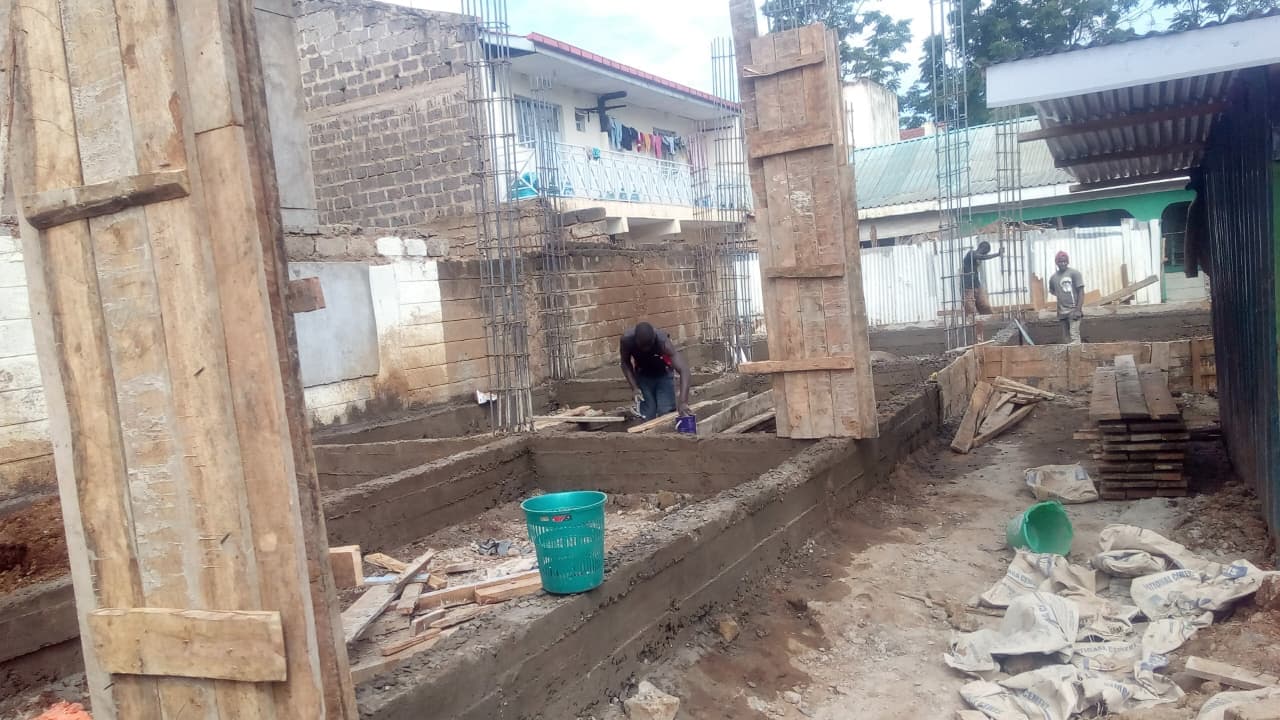
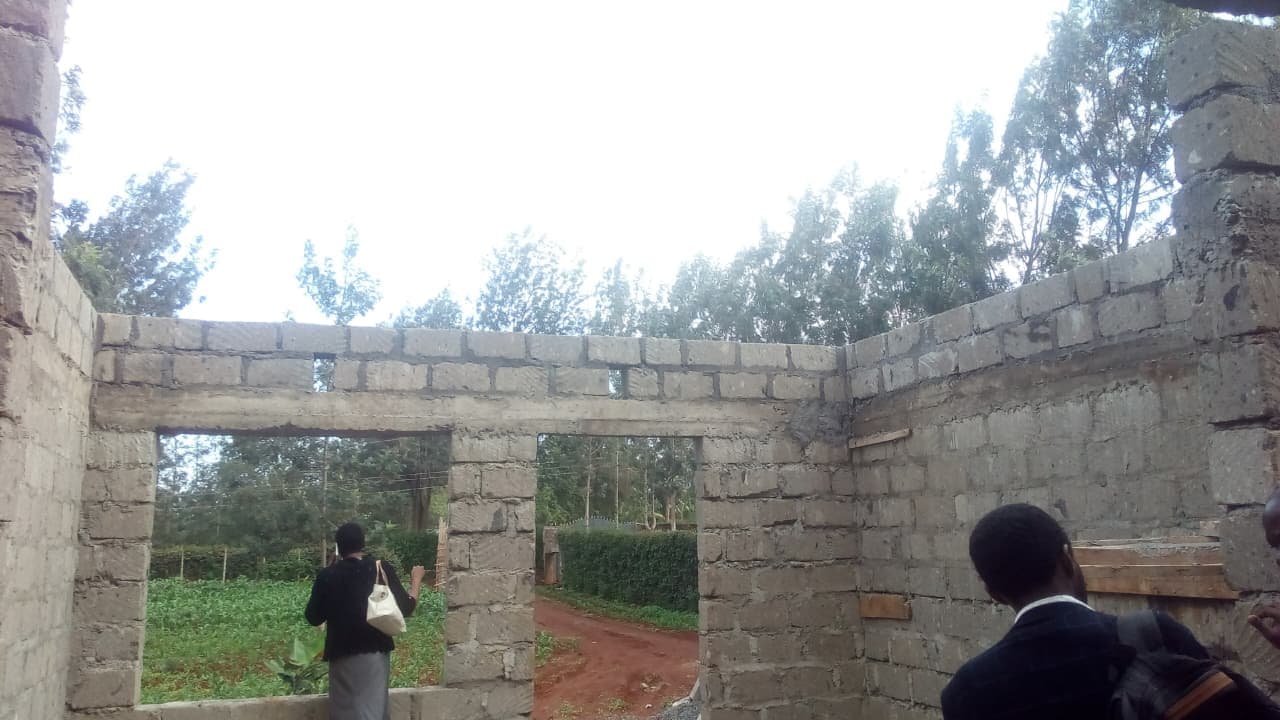
Multi-unit hostel development with Kossy Langat among the structural leadership — establishing repeatable bay logic, efficient room sequencing, and disciplined column placement in the earliest construction phase.
Hostel development is a structural discipline in itself — repeatable bays, efficient room depths, column spacing that allows standard layouts to repeat without waste. This commission brought a structural leadership team, with Kossy as one of its senior voices, to a multi-unit development where the quality of early-stage coordination determines how efficiently every subsequent phase progresses.
The Challenge
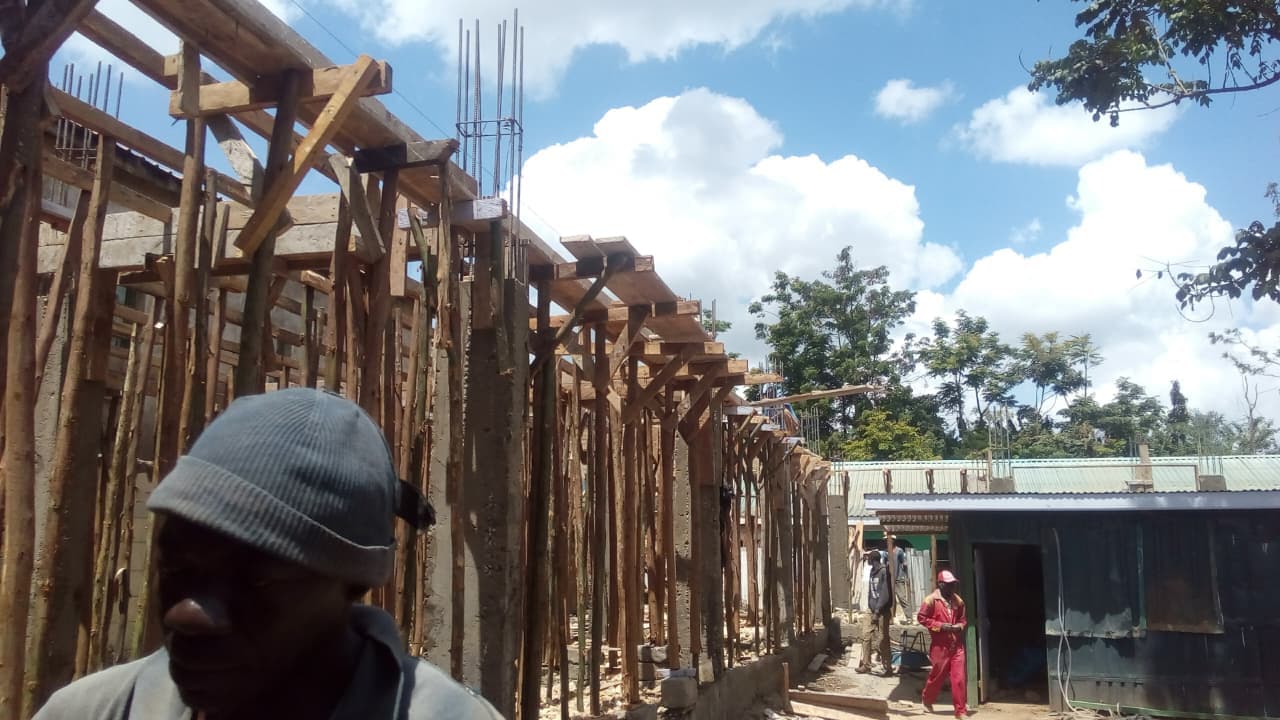
Hostel developments are financially exposed when structural rhythm breaks down. Repeatable bays must remain truly repeatable — any deviation in column positioning or wall placement cascades through the room count, the corridor layout, and ultimately the revenue the developer has committed to.
Our Intervention
The structural leadership, with Kossy as a key contributor, focused early coordination on establishing the disciplined grid that multi-unit delivery depends on — column positions, slab depths, and wall openings all resolved before the superstructure rises. The EPS 3D system delivers this repeatable, lightweight structural framework efficiently at multi-unit scale, reducing the material weight and scaffolding overhead that conventional hostel construction typically carries.
"Every EPS 3D project begins the same way: with structural planning that builds the right grid before a single wall rises. This hostel commission captures that discipline in its earliest visible form — the coordination that makes fast, efficient multi-unit delivery possible rather than accidental."
Site Record